Find the best trampoline for...
Browse category guides for different ages, budgets, and use cases.
Category guide
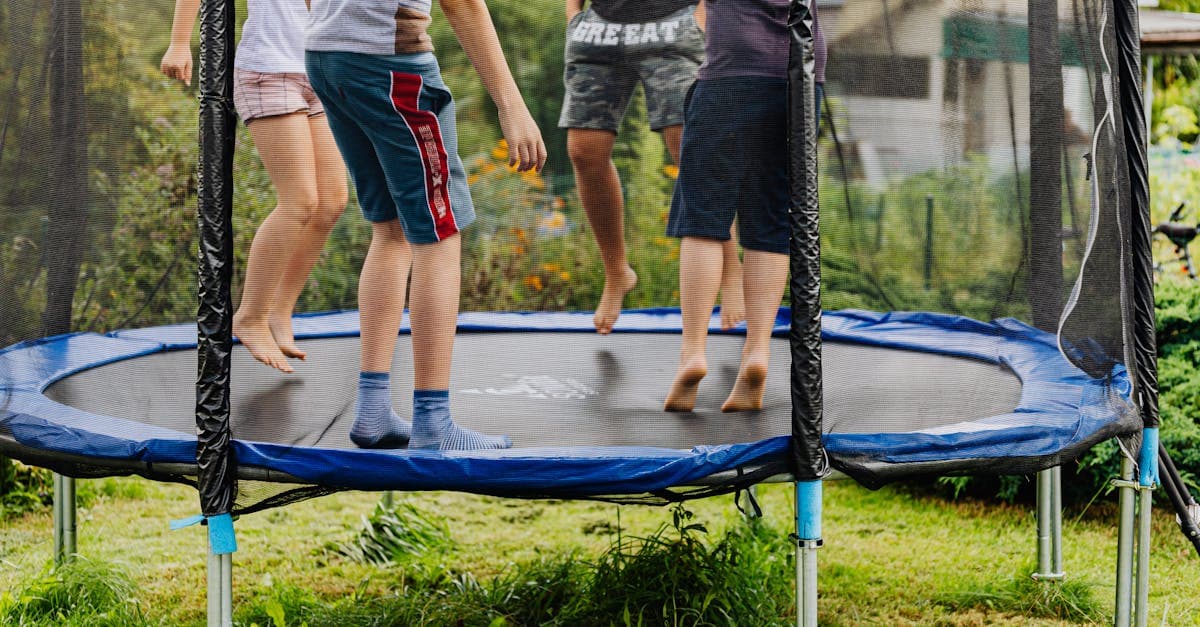
Kids
Buying a trampoline for kids comes down to three things. Safety, build quality, and the right size for your yard.
View guide →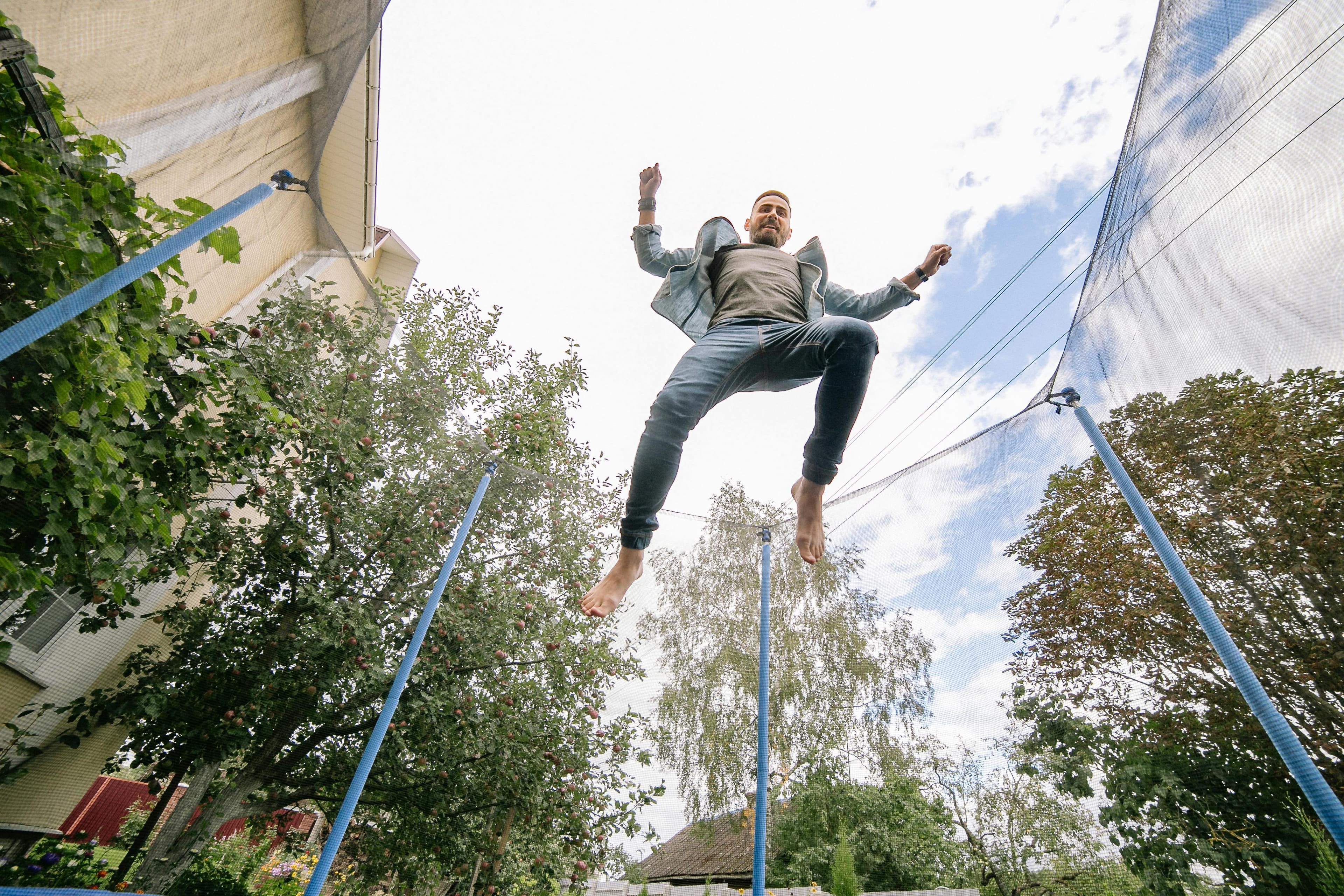
Category guide
Adults
Adults need a different trampoline than kids. Higher weight capacity, stronger frames, and rectangle shapes all matter more once you cross 200 lb.
View guide →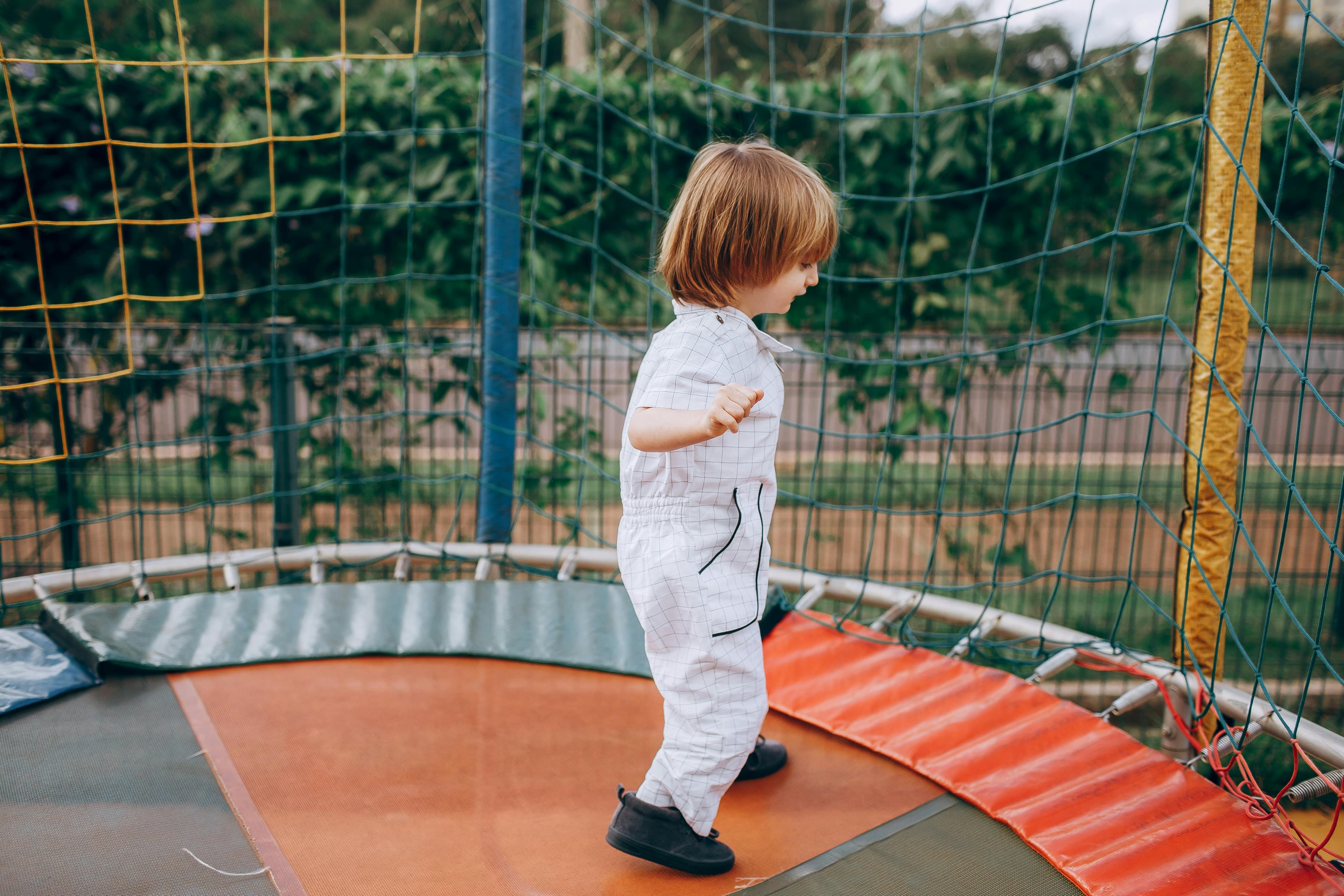
Category guide
Toddlers
Toddlers need a different kind of trampoline. Lower weight limits, handle bars, and shorter fall heights matter more than bounce performance.
View guide →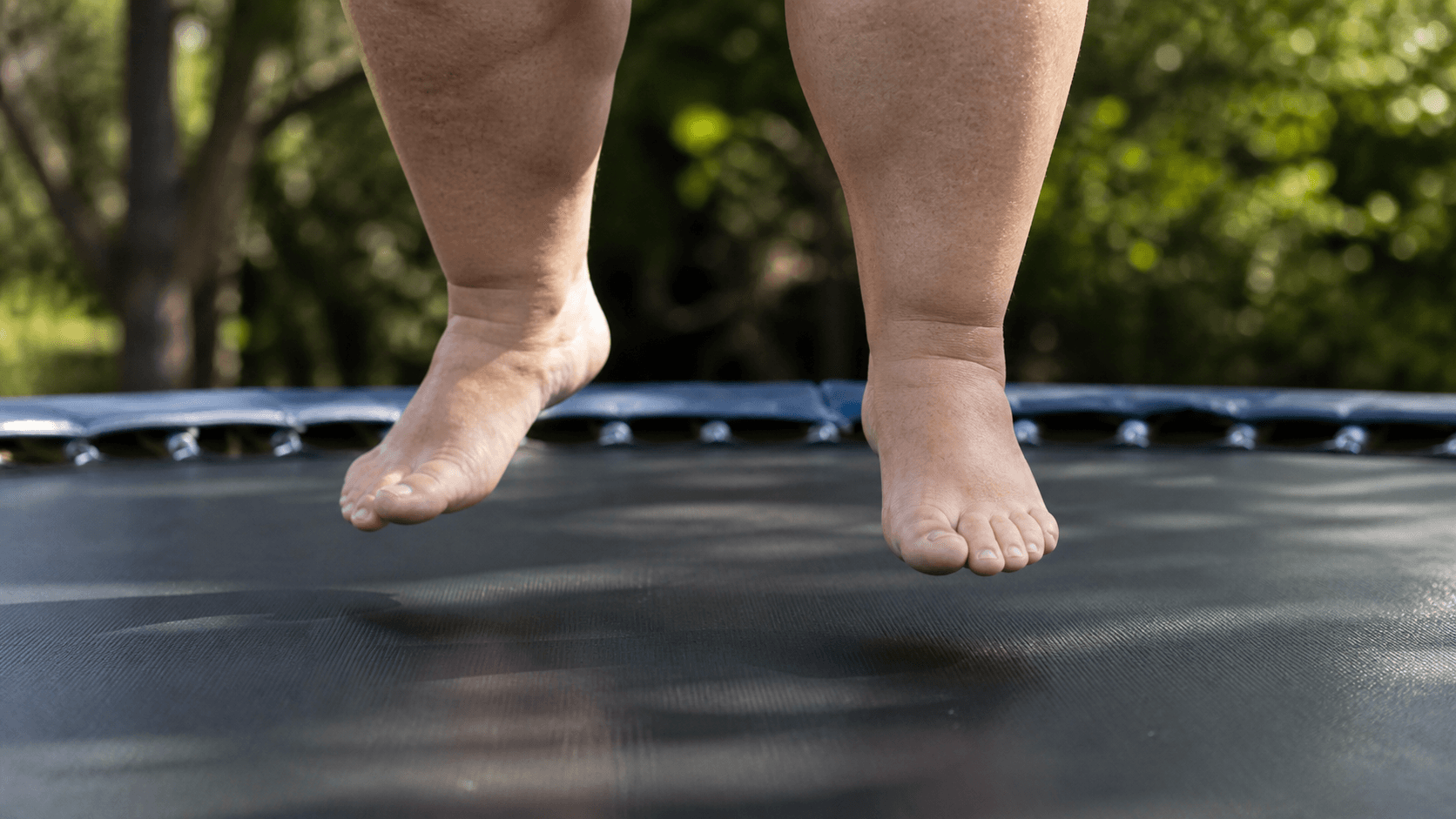
Category guide
Heavy Adults
Most backyard trampolines top out around 220 to 250 lb for a single user. Heavy adults need something built differently.
View guide →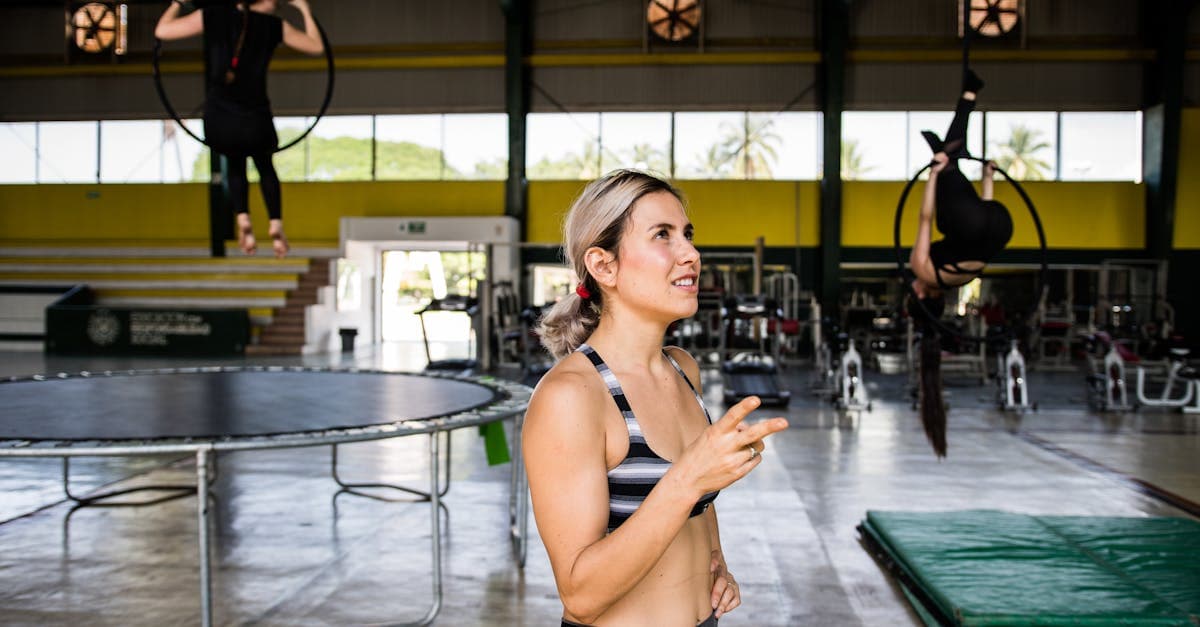
Category guide
Exercise
Most people searching for a fitness trampoline are looking for an indoor mini rebounder, not a backyard model. These are different products with different brand universes.
View guide →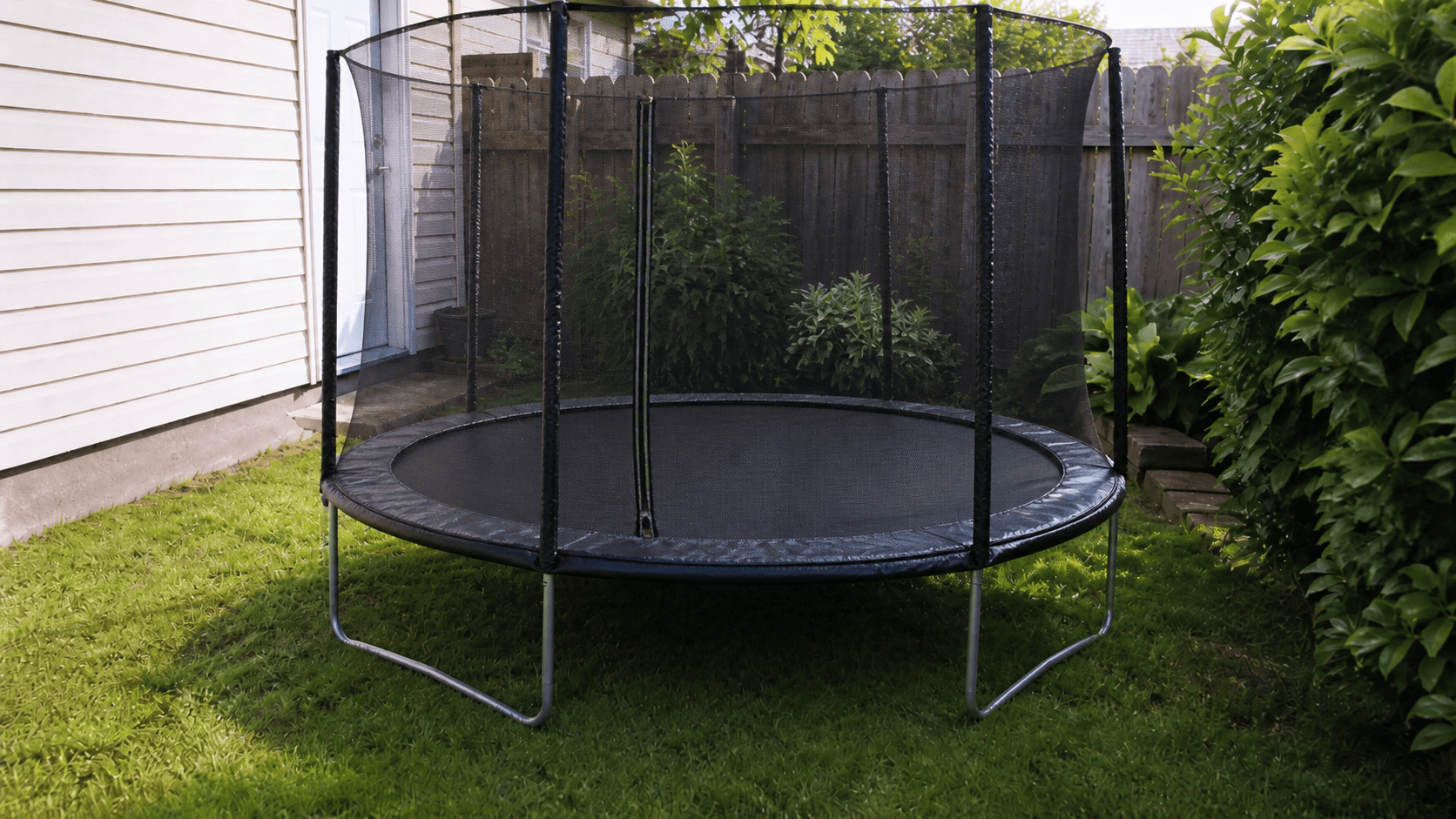
Category guide
Small Backyard
Small backyards have specific trampoline requirements. Shape matters more than usual, since a 6x9ft oval can fit in a yard where a 10ft round cannot.
View guide →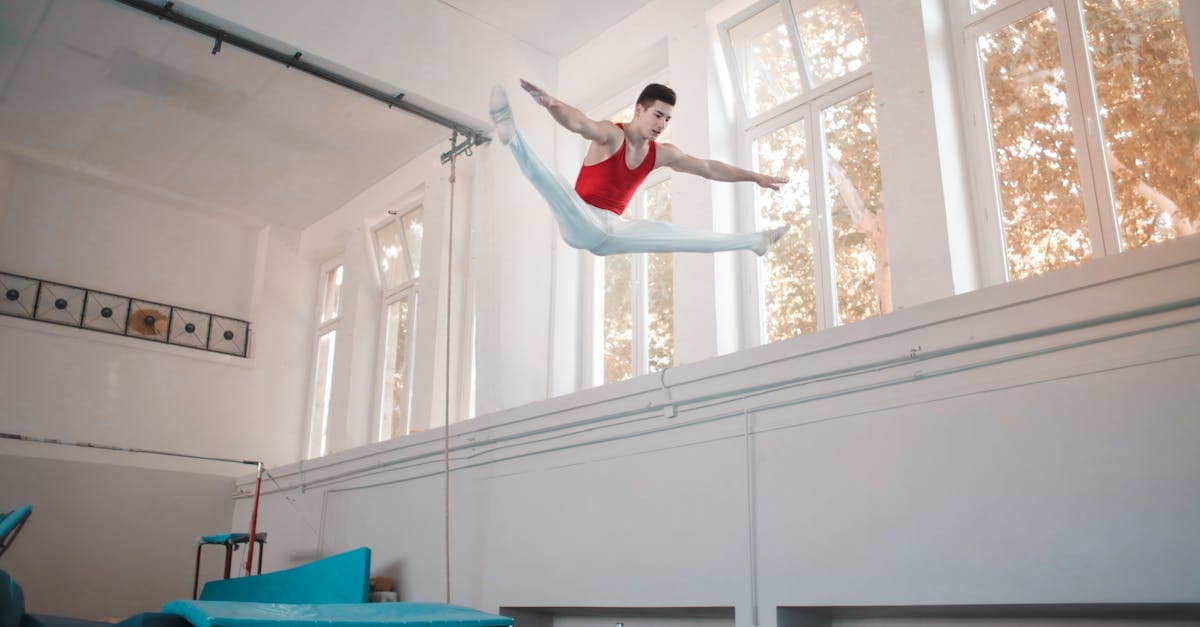
Category guide
Gymnastics
Gymnastics needs a different kind of trampoline. Rectangles are strongly preferred over rounds because they produce a more uniform bounce and give a longer lift phase per jump.
View guide →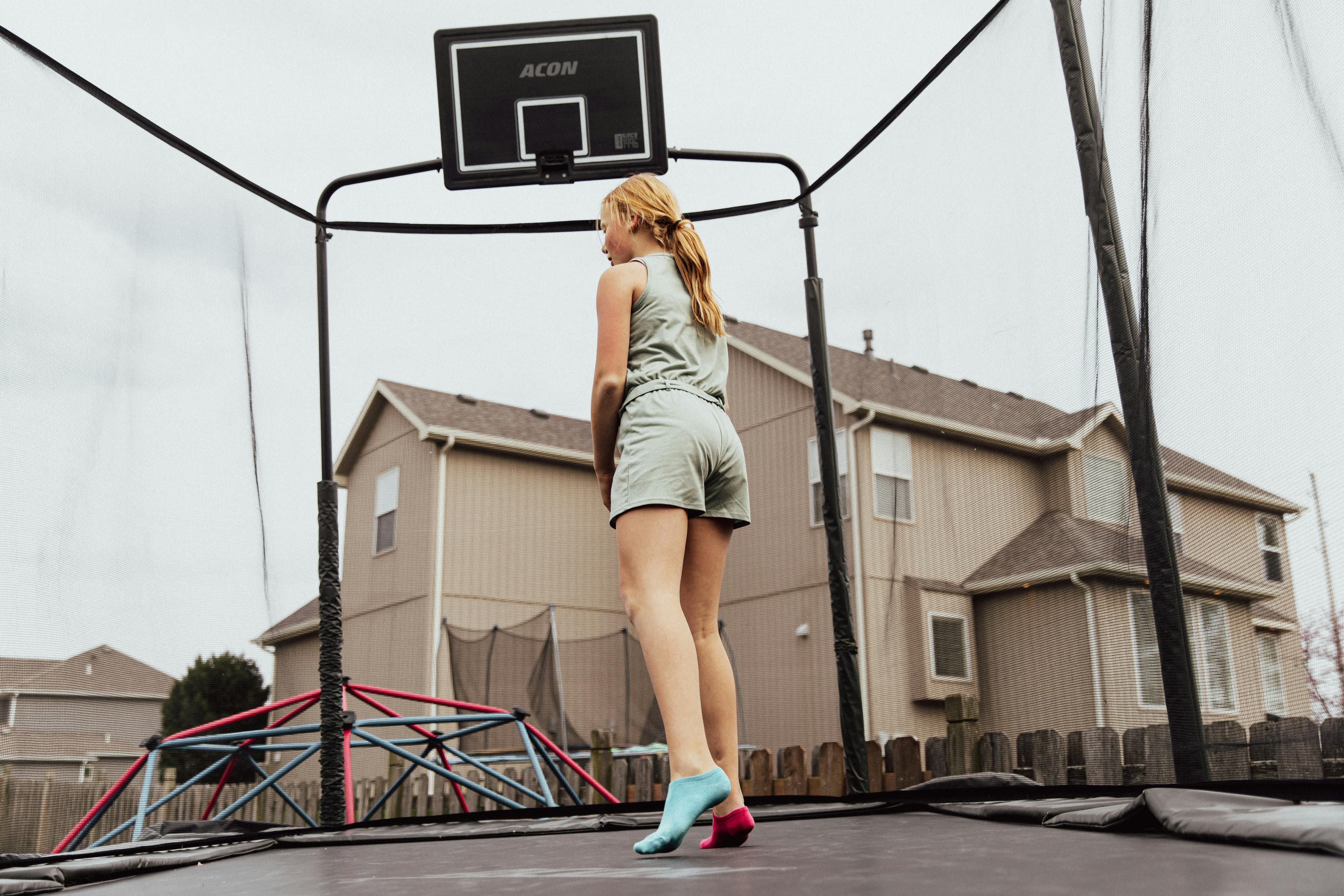
Category guide
Teenagers
Teenagers stress trampolines harder than younger kids. Weight ratings, frame strength, and bounce quality matter more once kids hit puberty and start bouncing in groups.
View guide →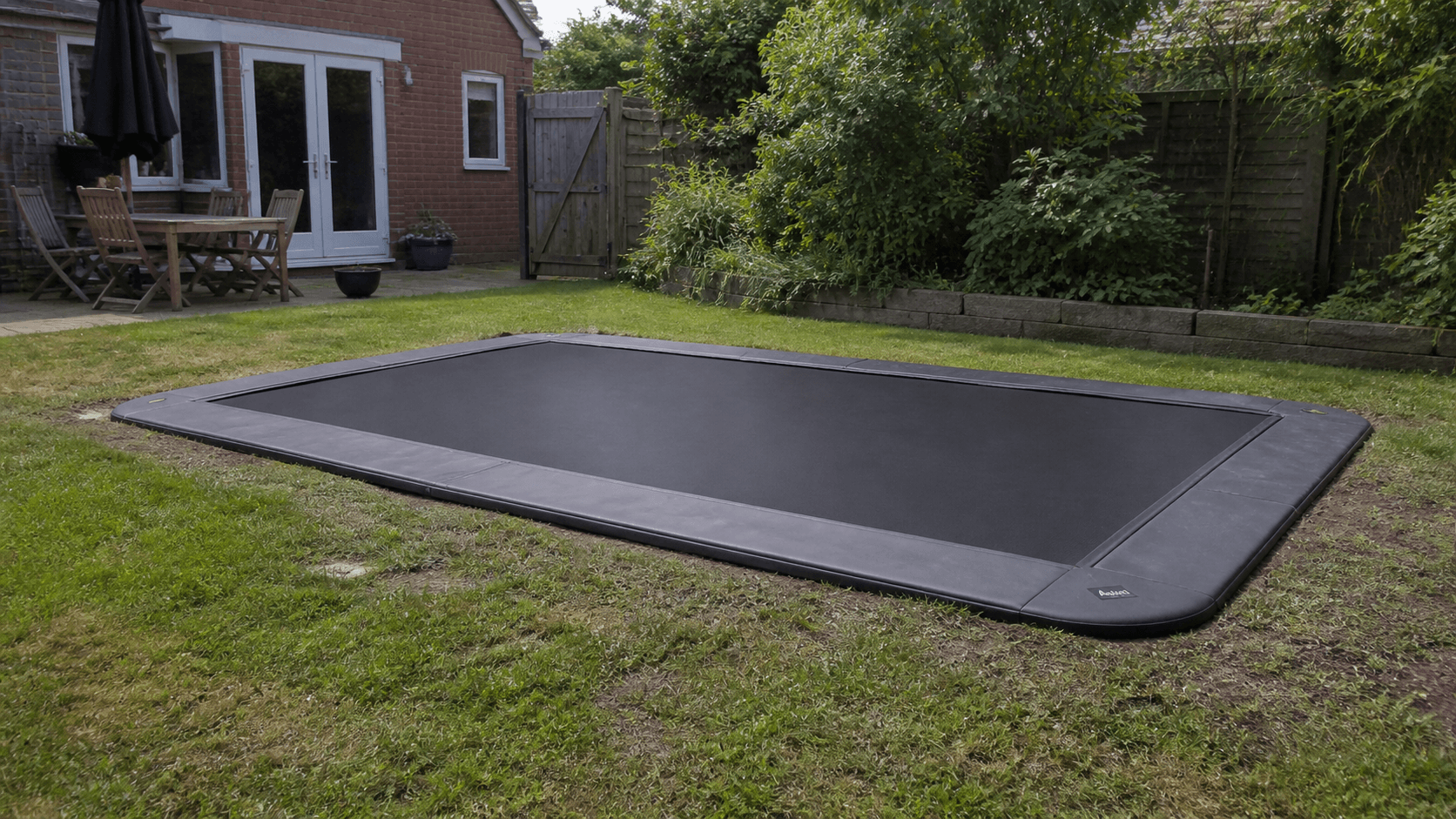
Category guide
Best In-Ground Trampoline
In-ground trampolines sit flush with the lawn rather than perched on legs, which gives a cleaner backyard look and a lower fall height. Most installations require digging a hole roughly 40 to 48 inches deep, plus a retaining wall to hold back the soil.
View guide →